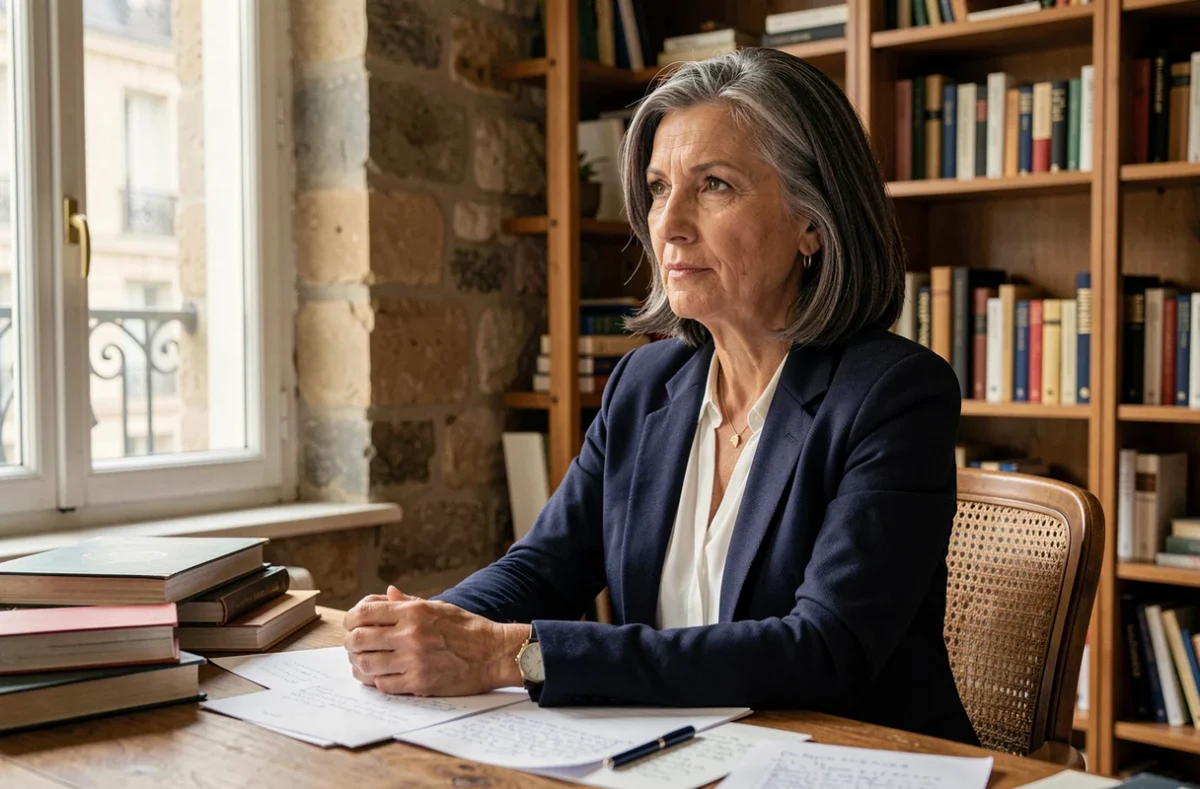
Ingrid Betancourt shares her life between several countries since her release in 2008. Determining exactly where she resides today requires cross-referencing her recent public movements, family ties, and political positions. The most recent sources place her sometimes in France, sometimes in Bogotá, and sometimes in the United Kingdom, which outlines a personal geography much more fragmented than most published portraits suggest.
Transnational Presence of Ingrid Betancourt: three countries, three roles
Rather than a single home, Ingrid Betancourt organizes her life around several geographical anchor points. Each corresponds to a distinct dimension of her daily life.
| Country | Main Role | Last Documented Public Trace |
|---|---|---|
| France (Paris) | Family ties, historical support network | Regular family and media connections |
| Colombia (Bogotá) | Political engagement, debate on the JEP | Filmed interview at Semana’s offices, November 2025 |
| United Kingdom (Oxford) | Theology studies, personal reconstruction | Documented relocation in the early 2010s |
This table highlights a pattern that competing articles often oversimplify. Claiming that she lives “in Oxford” or “in France” freezes a reality that resembles more a transnational public presence.
To better understand Ingrid Betancourt’s current place of residence, it is necessary to analyze each anchor separately and what it reveals about her priorities.
Bogotá and Colombia: a political return rather than a residential return
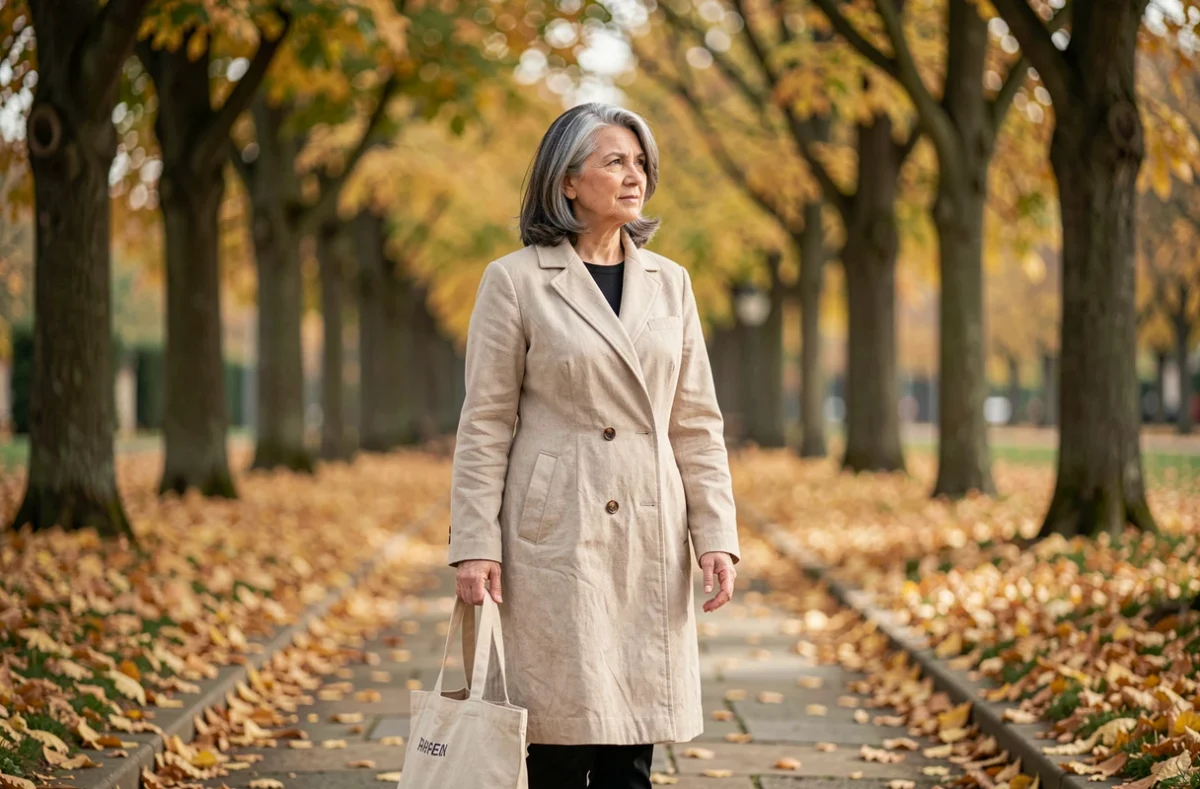
Recent sources significantly nuance the portrait of a woman withdrawn from Colombian political life. In November 2025, Semana published an interview conducted in its own offices in Bogotá, where Ingrid Betancourt stated: “Nosotros, las víctimas, necesitamos una reparación moral pero también económica”. This phrase summarizes a commitment that goes beyond mere testimony.
In September 2026, still in Semana, she took a position on the Special Jurisdiction for Peace (JEP), arguing that this institution should “end” or be profoundly revised. The JEP, created as part of the peace agreements with the FARC, is the subject of intense debates in Colombia. Betancourt calls for a re-examination of its results, placing her among the critics of the transitional process.
A role as a public figure, not a candidate
This presence in Bogotá does not mean that she resides there permanently. No recent sources mention a fixed Colombian address. However, her regular media interventions in the Colombian press show that she maintains an active foot in the national debate.
Her candidacy for the Colombian presidency dates back to 2022, and she has not announced a new campaign since. Her current engagement focuses on the rights of victims of the armed conflict and institutional criticism, not on electoral ambition.
Paris and France: family ties and historical anchor
France has played a central role in Ingrid Betancourt’s life long before her captivity. A dual French-Colombian national, she was welcomed in Villacoublay by Nicolas Sarkozy in July 2008, in a sequence that remains one of the most publicized moments of her release.
Her two children, Lorenzo and Mélanie, grew up partly in France. During her captivity, her children went from adolescence to adulthood without her, which she described as one of the most painful losses of that period. The family reconstruction largely took place on French soil.
An active support network
Paris remains the place where her French-speaking media contacts and part of her close circle are located. Several characteristics explain the persistence of this anchor:
- Ingrid Betancourt’s French nationality guarantees her permanent residency rights and access to the country’s institutions
- The network of support committees formed during her years of captivity has transformed into a friendly and professional circle
- French media continue to solicit her regularly, as evidenced by her presence in television shows in 2026
Oxford and theology: a phase that has become a discreet pillar
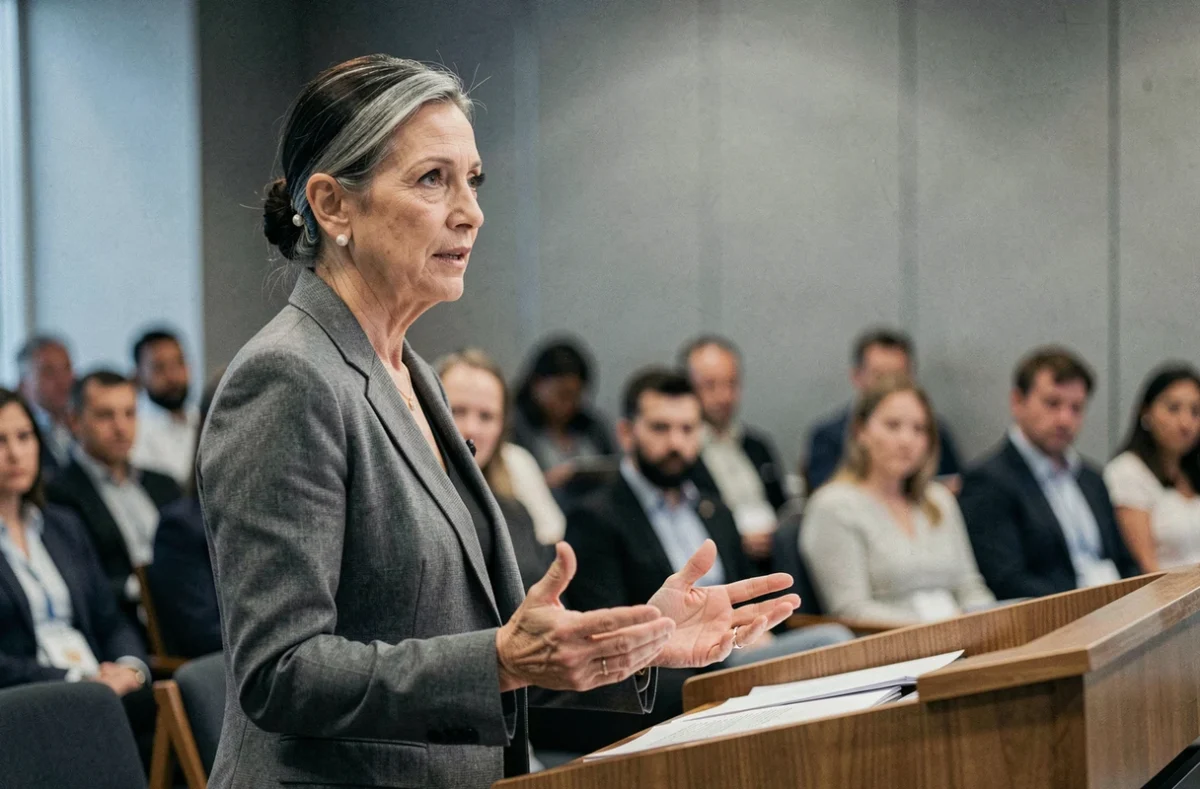
In the early 2010s, Ingrid Betancourt moved to Oxford to pursue theology studies. This choice, little publicized at the time, corresponded to a phase of voluntary withdrawal from politics and inner reconstruction.
She described this period as a necessary step after what she called a “titanic” reconstruction. Her captivity had caused her to lose simultaneously her children, her father, her husband, and her political career. Oxford provided a conducive environment for this transition.
An anchor that has softened over time
The most recent sources no longer specifically place her in Oxford. Her documented presence in Bogotá in 2025 and 2026, combined with her maintained ties to France, suggests that the United Kingdom has lost its centrality in her life organization. The study period seems to have fulfilled its role as a transition without becoming a permanent residence.
Family life and commitments: two logics that dictate geography
Ingrid Betancourt’s residential journey does not follow a logic of comfort or climate preference. Each place corresponds to a specific need:
- Colombia addresses her commitment to victims of the armed conflict and her political identity
- France addresses her family ties, proximity to her children, and her French-speaking network
- The United Kingdom responded to a need for spiritual and intellectual reconstruction, which is probably now satisfied
This geographical distribution reflects a life structured around two axes: family on one side, the political fight for the reparation of victims on the other. Available data shows that these two axes do not converge towards a single country.
The question “where does Ingrid Betancourt live” therefore does not admit a simple answer. Her personal geography remains dictated by her commitments, not by a conventional residential choice. The most recent public traces show her active between Bogotá and France, with a British anchor that is gradually fading.