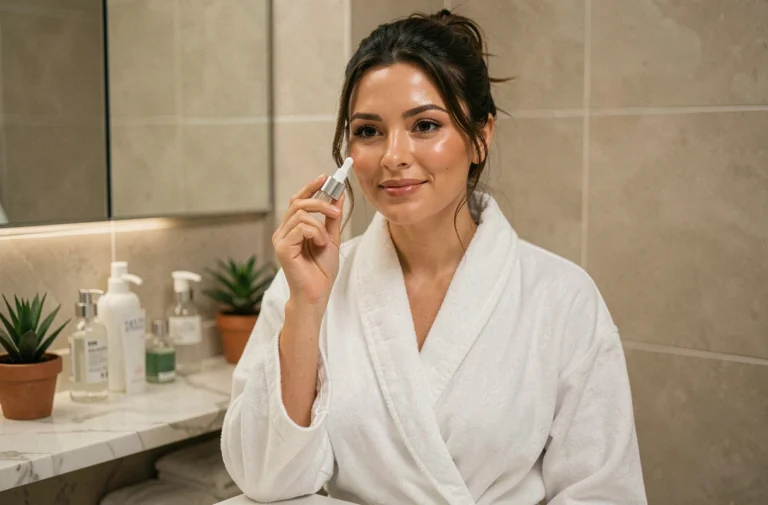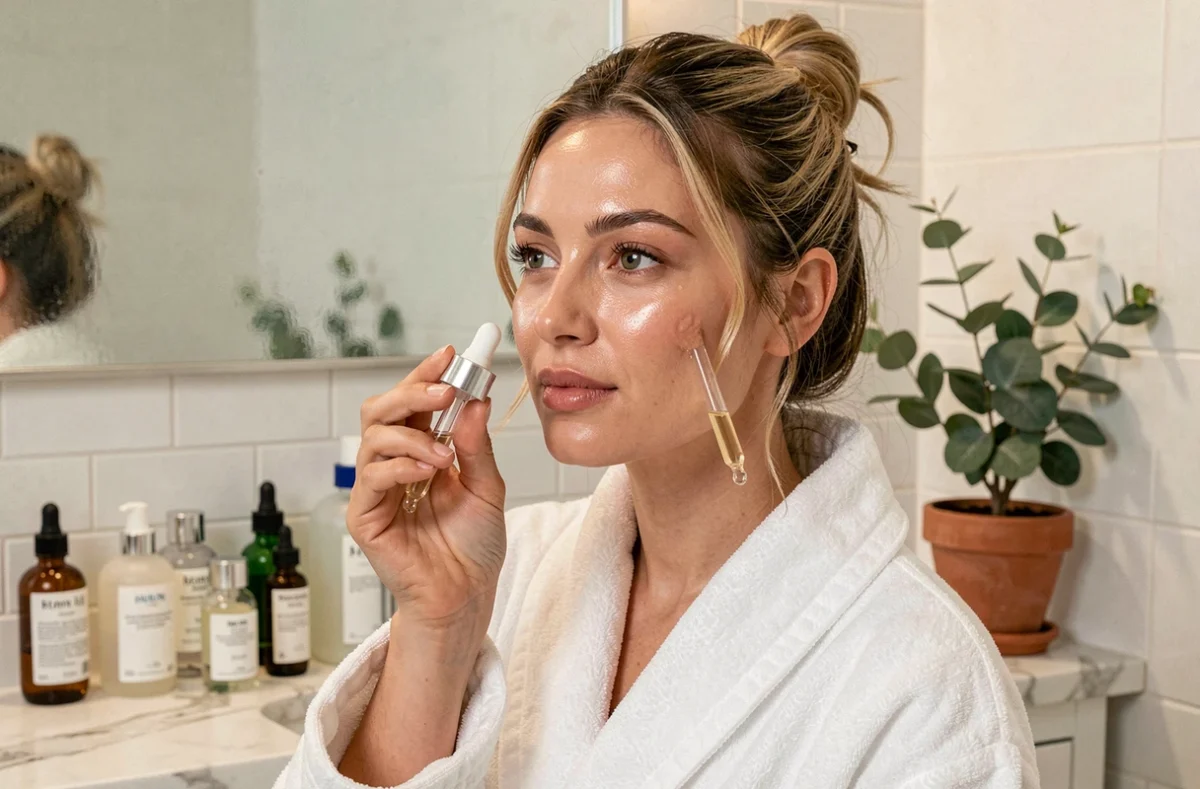
The beauty market in France is undergoing a period of regulatory and formulation restructuring. The ban on PFAS in cosmetics, effective from January 1, 2026, and the expansion of fragrance allergen declaration in the European Union are changing the composition of many products available on the shelves. These changes directly affect consumer choices this season, far beyond the simple fashion trends relayed on social media.
PFAS-Free Cosmetics: What French Law Changes for Your Purchases
As of January 1, 2026, the manufacture, import, and marketing of cosmetics containing PFAS are prohibited in France, subject to trace thresholds set by decree. PFAS (per- and polyfluoroalkyl substances) were used for their water resistance and long-lasting properties, particularly in waterproof mascaras, foundations, and certain lipsticks.
The direct consequence for consumers: long-lasting and waterproof products are changing their formulas. A mascara purchased in 2024 and a mascara from the same line purchased in 2026 are not the same product. Texture, wear, and water resistance can vary significantly.
A useful reflex is to check the manufacturing date of products still on the shelves. Old stocks formulated before the ban may still be circulating, but there is no guarantee that they have been reformulated. By browsing the Pop Your Beauty website, it is easier to spot recent references that incorporate these new formulation constraints.
For sensitive skin, this transition can be good news: fewer persistent synthetic compounds in contact with the skin. For fans of long-lasting makeup, caution is advised. It’s better to test a travel size or a sample before investing in a full-size product whose performance may have changed.
Fragrance Allergens: Read the Labels of Perfumes and Skincare Products
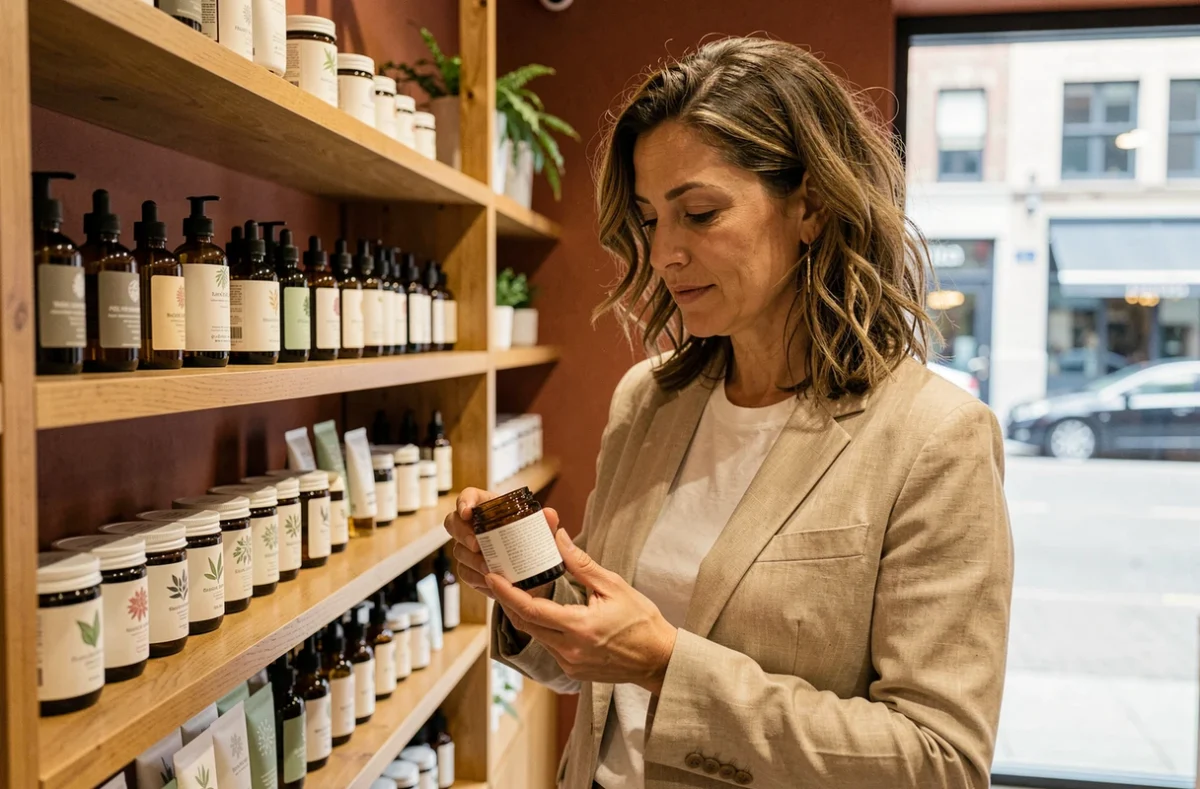
As of July 31, 2026, new cosmetic products launched in the European market must individually declare an expanded number of fragrance allergens. This requirement applies to both perfumes and scented creams, serums, and oils.
In practical terms, the INCI (International Nomenclature of Cosmetic Ingredients) lists are getting longer on the packaging. This is not a cosmetic detail: for individuals prone to contact dermatitis or skin reactions, this increased transparency allows for precise identification of problematic molecules.
What Changes for Products Already on Sale
Products launched before this date benefit from a stock clearance period until 2028. Two bottles of the same fragrance, purchased a few months apart, may therefore have different labeling without any change in the formula.
Caution is needed not to confuse older labeling (less detailed) with a “safer” product. The opposite is also true: longer labeling does not mean that the product contains more allergens, but simply that it declares them better.
Facial Care and Serums: Balancing Viral Trends and Verifiable Formulation
Serums based on hyaluronic acid, vitamin C, and retinol continue to dominate the facial care aisles. Social media amplifies certain launches, but the virality of a product does not inform about its active ingredient concentration or the stability of its formula.
Some concrete criteria can help sort through products before purchase:
- The position of the key active ingredient in the INCI list: the higher it appears, the higher its concentration. A vitamin C serum with ascorbic acid listed at the end likely contains a negligible dose.
- The type of packaging: vitamin C oxidizes quickly in light. A transparent bottle without an airless pump reduces the product’s effectiveness duration, regardless of the brand.
- The mention of dermatological or ophthalmological tests on the packaging, which remains the only standardized indicator of skin tolerance accessible to consumers.
A well-packaged serum in an opaque bottle remains effective longer than a premium product in unsuitable packaging. This criterion, rarely highlighted in trend selections, weighs more than price over time.
Hair Care and Hair Oils: The Limits of Marketing Promises
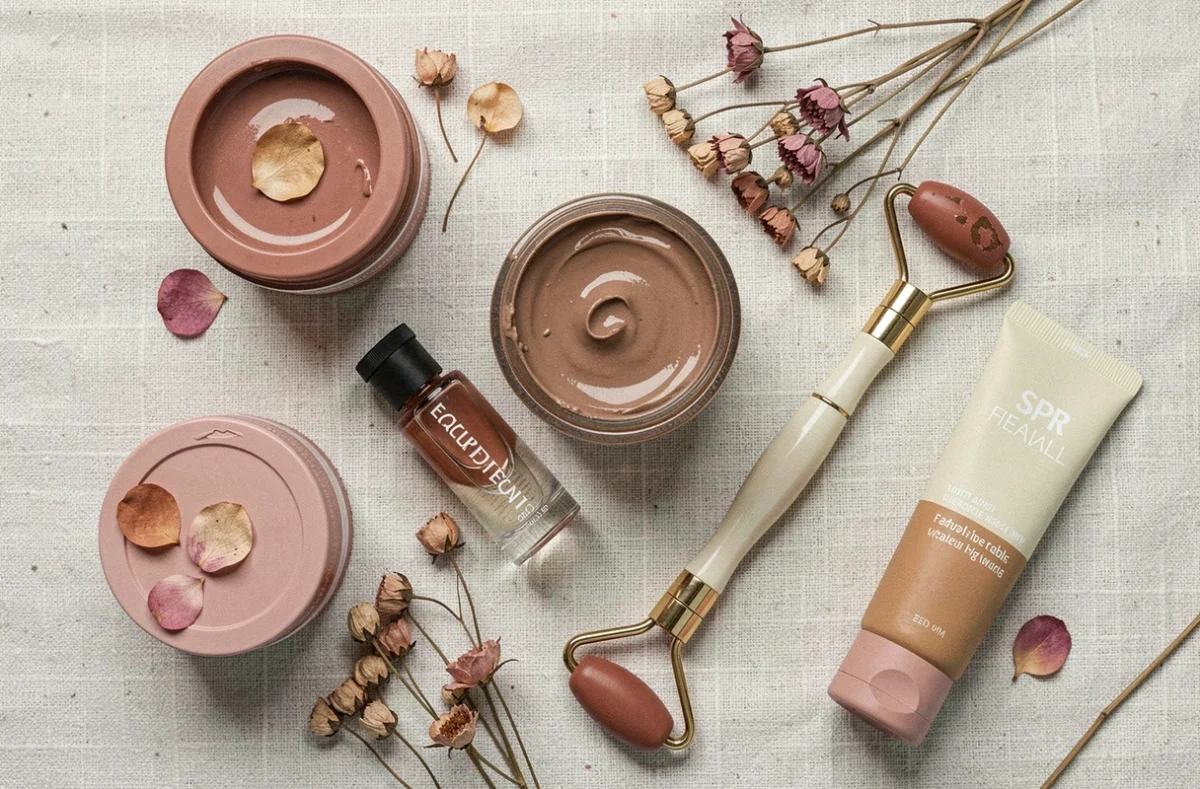
Hair oils and serums are among the most dynamic categories this season. Promises of shine, repair, and thermal protection are multiplying, often supported by video demonstrations conducted under suitable lighting conditions.
The missing data in most online comparisons concerns the nature of the hair being tested. A hair oil that performs well on fine, straight hair may weigh down thick or curly hair. Results also vary according to hair porosity, a parameter rarely mentioned in product sheets.
What Can Be Verified Before Buying
- The composition of silicones: water-insoluble silicones (dimethicone, for example) create an immediate smoothing film but can accumulate over washes, making hair dull in the medium term.
- The presence of fatty alcohols (cetearyl alcohol, cetyl alcohol) that hydrate, to be distinguished from drying alcohols (alcohol denat.) that weaken the fiber.
- The format of the product: a dry oil in a spray is easier to dose than a viscous oil with a dropper, reducing the risk of overload.
The most expensive hair care products are not necessarily the best formulated. Reading the first three or four ingredients on the INCI list remains the most reliable way to compare two competing products, regardless of their price positioning.
This season’s beauty trends are reflected as much on the shelves as on the packaging. The regulatory evolution in France and Europe is reshaping available formulations, and the informed consumer now has concrete tools to distinguish real cosmetic progress from mere seasonal repackaging.