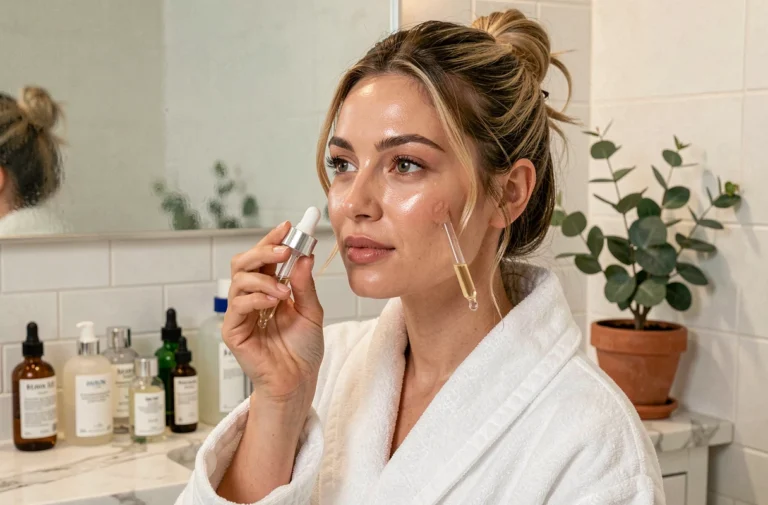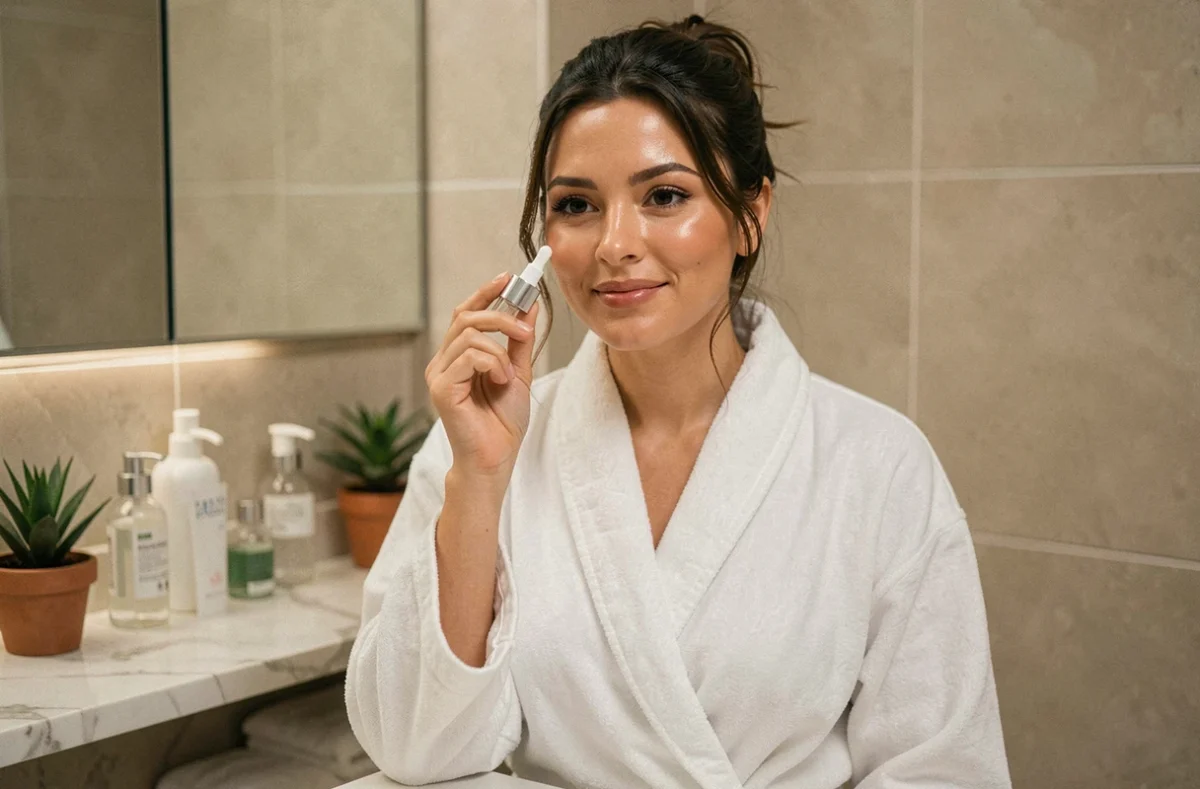
A beauty secret is not just a miracle product sitting on a shelf. It is a combination of gestures, ingredients suited to one’s skin, and knowledge that allows for informed choices. Understanding what a cosmetic contains, knowing how to read a label, and identifying the treatments that correspond to one’s skin type form the basis of a truly effective beauty routine.
Cosmetic Label Analysis: The INCI List as a Starting Point
The INCI list (International Nomenclature of Cosmetic Ingredients) appears on every cosmetic product packaging sold in the European Union. Ingredients are listed in descending order of concentration. Therefore, the first five components represent the essence of the formula.
A face care product that lists “aqua” at the top, followed by a vegetable oil, does not function at all like a product whose first ingredients are silicones or polymers. Spotting this hierarchy helps distinguish a truly moisturizing cream from a product that mainly provides a temporary feeling of comfort.
European regulations are evolving in this area. Regulation 2023/1545 expands the list of fragrance allergens that must be declared individually on packaging. New products launched on the market must comply with these requirements from July 31, 2026, and existing stocks can still be sold until July 31, 2028. By consulting all the pages of Mes Secrets de Beauté, one can find detailed guides that help understand these regulatory mentions in everyday life.
Even a product made from natural ingredients can contain fragrance allergens. The label remains the only reliable tool to check the composition, regardless of the product’s marketing positioning.
Facial Beauty Routine: Building a Protocol Suited to Your Skin
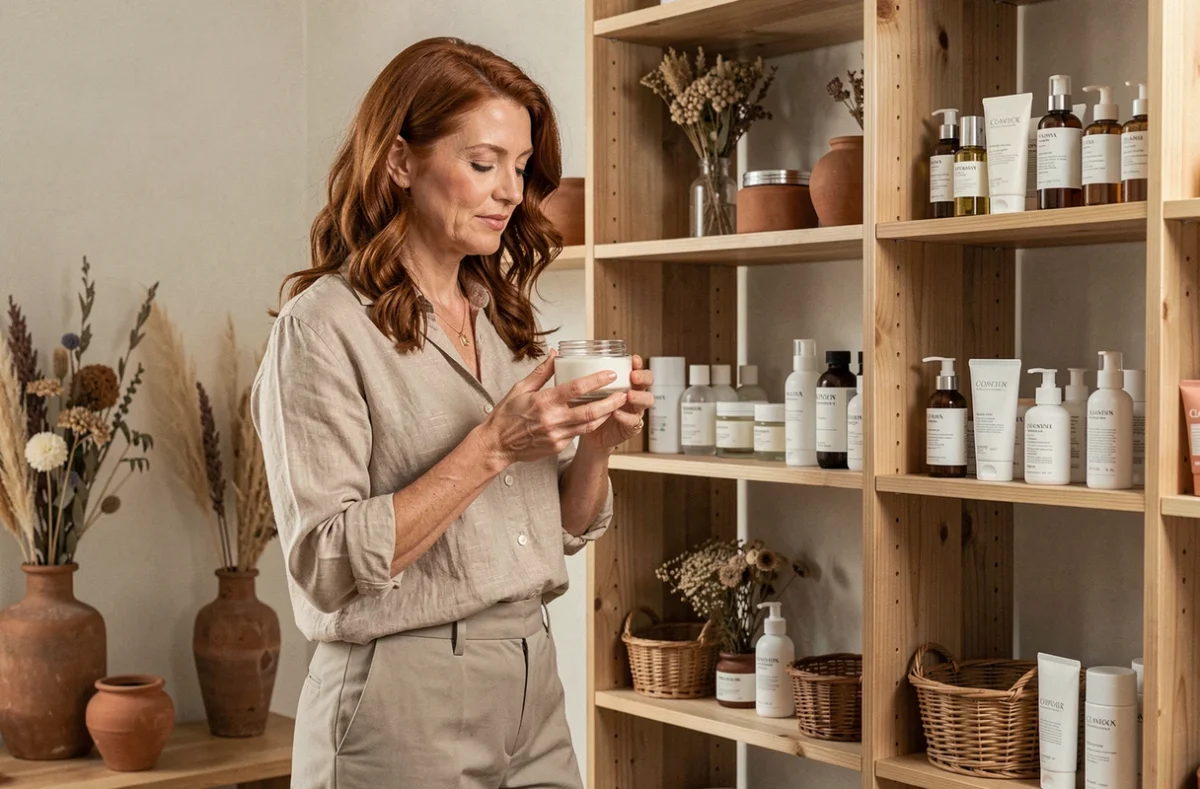
An effective beauty routine relies on a logical sequence of treatments, not on the accumulation of products. The order of application is just as important as the quality of the formulas.
The Steps of a Coherent Facial Routine
- Cleansing is the first step: a suitable makeup remover (oil, micellar water, or milk depending on skin sensitivity) removes makeup, sebum, and particles accumulated throughout the day.
- The targeted treatment comes next: hydrating serum for dry skin, salicylic acid serum for oily skin, or eye cream for delicate and fragile areas.
- The moisturizing cream seals everything in and maintains the skin barrier. Its texture (light or rich) directly depends on skin type and the season.
- Sun protection concludes the morning routine. This often neglected step protects the skin from UV-related premature aging.
In the evening, the skin enters a repair phase. A night treatment more concentrated in active ingredients (retinol, hyaluronic acid, rosehip oil) takes advantage of this natural cell regeneration cycle.
Adapting Your Routine According to the Seasons
In winter, the cold dries out the skin barrier. A richer cream and a gentle sulfate-free cleanser help limit tightness. In summer, light textures and mattifying treatments prevent excess sebum without stripping the skin.
Changing your routine twice a year is sufficient in most cases. Changing products every week prevents the skin from adapting and makes any evaluation of results impossible.
Makeup and Hair Care: Choices That Make a Difference
Makeup is not a mask. Recent formulations incorporate care actives directly into makeup products: mineral pigments, nourishing oils in lipsticks, hyaluronic acid in foundations. The boundary between makeup and facial care is blurring.
For hair, the logic remains the same as for skin. A shampoo suited to the nature of the scalp (oily, dry, sensitive) yields better results than a universal product. Curly hair, for example, requires a rich conditioner that maintains the hydration of the hair fiber, while fine hair becomes weighed down with the same product.

Hair oil, applied to lengths and ends before shampooing or as a finishing touch, protects the fiber from drying out and thermal damage (hair dryer, straightener). Coconut oil, argan oil, or jojoba oil are among the most commonly used, each having a different penetration profile depending on hair porosity.
Microplastics in Cosmetics: Regulations Redefining Formulas
The European restriction on microplastics in cosmetics does not apply uniformly. Rinsed products are affected before leave-on products, and makeup, lip products, and nail products benefit from a longer transition period.
This distinction has a direct impact on product choices. A facial scrub containing polyethylene microbeads will gradually be removed from the market, while a foundation containing certain synthetic polymers will remain available longer.
Reading the INCI list is not always sufficient to identify the micro-particles targeted by the regulation. The restriction depends on the form and specific properties of the polymers, not just their chemical name. A polymer ingredient is not automatically a microplastic in the regulatory sense. Checking certifications (Ecocert, Cosmos, Nature & Progrès) or turning to specialized databases remains the most reliable method to identify formulas that are truly free of plastic.
Skin Tolerance Test: A Simple Step Before Any New Product
Before incorporating a new treatment or makeup into your routine, applying a small amount of product to the inside of the wrist or behind the ear allows for the detection of any potential reaction (redness, itching, irritation). This test is particularly useful for products containing concentrated actives.
A waiting period of twenty-four hours provides a reliable indication. Delayed allergic reactions often appear after several hours, not immediately after application. This reflex helps avoid irritations that can weaken the skin barrier for several days.
The most sustainable beauty secrets do not rely on trends or packaging promises. Reading the composition, respecting the needs of your skin and hair, and considering regulatory developments form a more solid foundation than a collection of unfinished products.