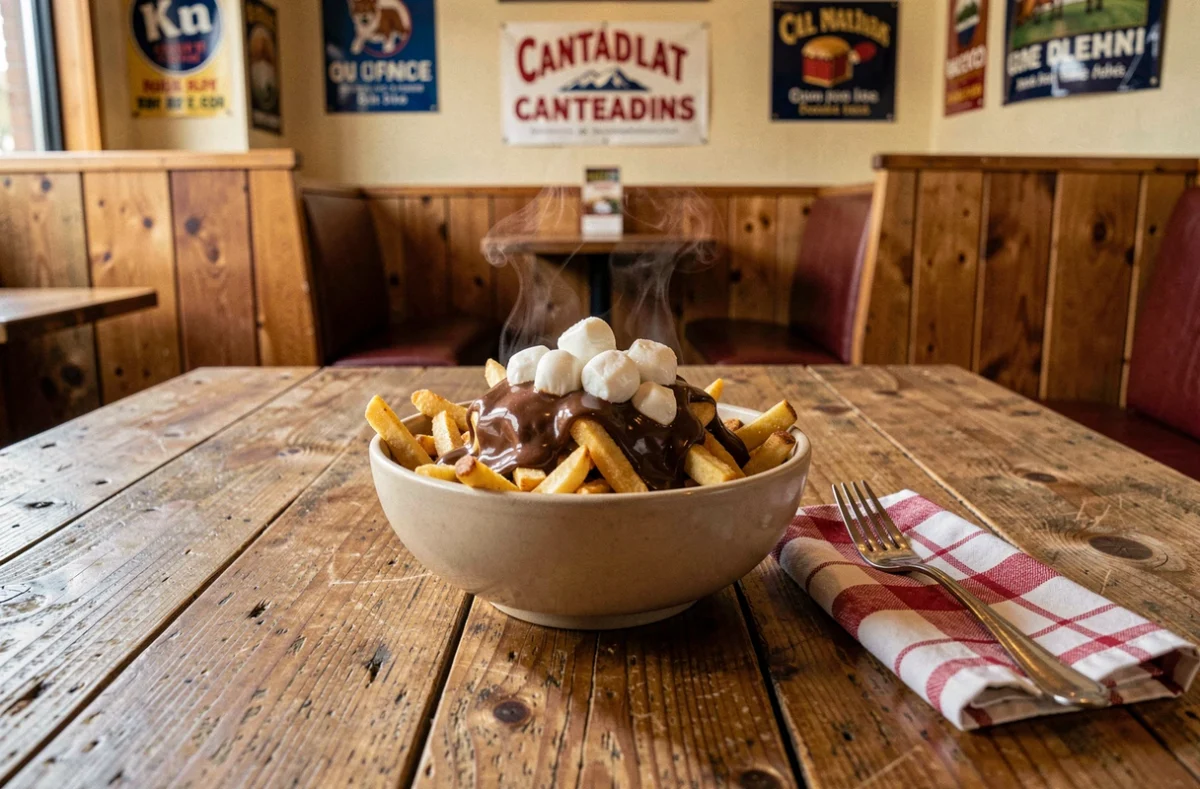
Canadian cuisine is not a homogeneous whole. From the Atlantic Maritime provinces and French-speaking Quebec to the Prairies and British Columbia, staple ingredients, cooking techniques, and cultural influences vary. Comparing these regional traditions helps reveal what truly sets typical Canadian dishes apart, beyond a simple list of recipes.
Canadian dishes by region: what a comparison table reveals
Canadian cuisine draws on a range of traditions: French, British, Scottish, Indigenous and, more recently, Ukrainian and Asian. Grouping specialties by geographic area highlights patterns shaped more by food availability and climate than by simple taste preferences.
| Region | Signature dish | Main ingredient | Dominant cultural influence |
|---|---|---|---|
| Quebec | Poutine | Cheese curds, brown gravy | French |
| Quebec | Tourtière | Meat (pork, veal, or game) | French |
| Prairies (Alberta, Saskatchewan) | Perogy | Potato, cheese | Ukrainian |
| Newfoundland and Labrador | Jiggs’ dinner | Salt meat, root vegetables, peas | British / Irish |
| British Columbia | Smoked salmon (Indigenous style) | Pacific salmon | Indigenous |
| Maritime provinces | Baked beans | White beans, molasses, pork | British / Scottish |
| Nanaimo (B.C.) | Nanaimo bar | Chocolate, custard, biscuit | British |
The table brings one point into sharp focus: every Canadian dish reflects local access to ingredients. The Maritime provinces cook with salt pork and legumes because these foods could be stored through long winters. Quebec makes use of cheese curds from its artisan cheesemakers. The Prairies embrace perogies, brought by Ukrainian immigrants in the late 19th century.
Among Canada’s typical dishes, this regional diversity is the most reliable thread for understanding the country’s cuisine.
Quebec poutine and tourtière: two distinct culinary traditions
Poutine and tourtière top any list of Canadian specialties, but the two dishes arose from different needs. Poutine is a fast-food dish that originated in Quebec in the 1950s. Its recipe has three components: fries, cheese curds, and brown gravy. Poutine’s simplicity explains how it spread across Canada, including to English-speaking provinces, where it now appears on the menus of many restaurants.
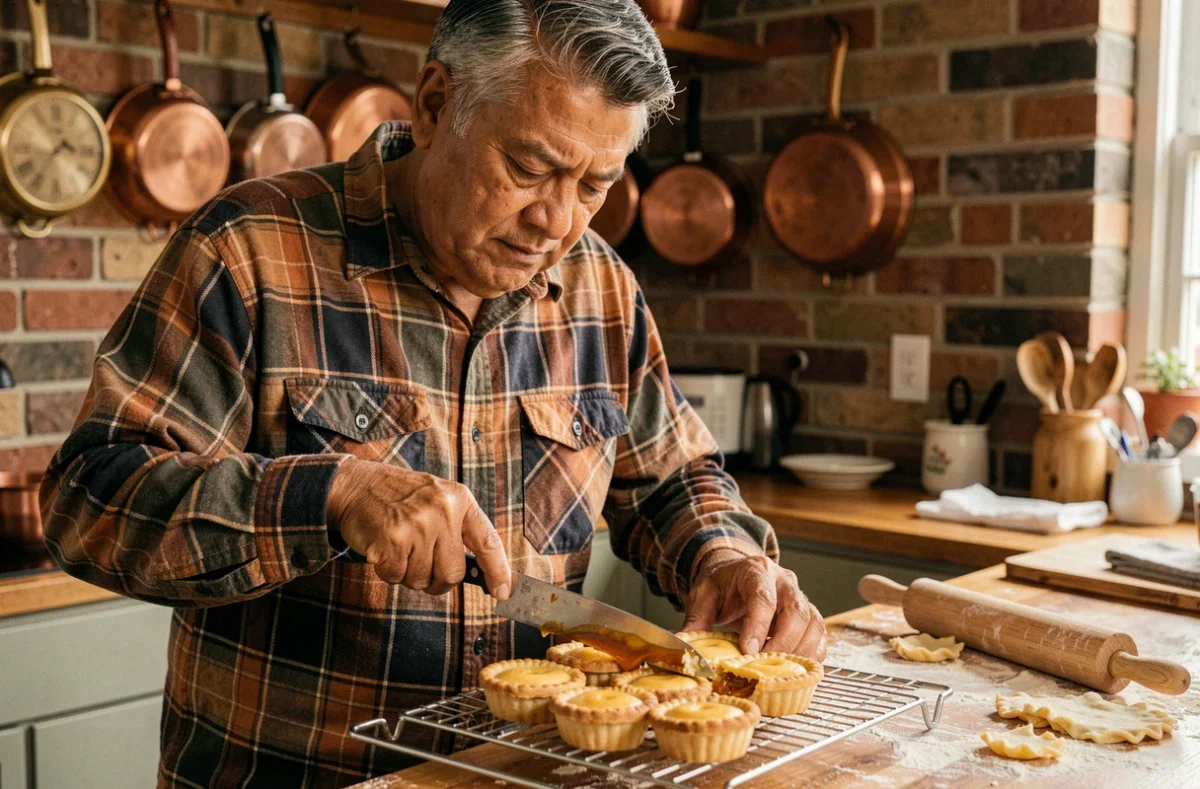
Tourtière, by contrast, belongs to a much older home-cooking tradition. Its ingredients vary from family to family and across Quebec. Some versions use only pork, while others combine veal, beef, and game. The thick pastry serves both as a container and as a dish in its own right.
What really sets them apart
Poutine travels well: it can be adapted with all kinds of toppings (confit duck, lobster, grilled vegetables) and eaten in minutes. Tourtière, on the other hand, remains tied to family gatherings and the seasons. Traditionally prepared for the year-end holidays, it takes several hours to cook slowly. Tourtière is a dish passed down through families, whereas poutine is a commercial food-service staple.
Maple syrup in Canadian cuisine: much more than a sweet condiment
Maple syrup plays a significant role in Canadian cuisine, from breakfast to dessert. Maple taffy, made by pouring boiling syrup onto snow, remains one of the culinary experiences most closely associated with Canada abroad.
Maple syrup is not just used in sweet dishes. It features in pork glazes, baked beans, and some vinaigrettes. In savory Quebec recipes, maple syrup works as a flavor enhancer, much like molasses in the British culinary traditions of the Maritime provinces.
BeaverTails and Nanaimo bars: two desserts from opposite coasts
A BeaverTail is a fried dough pastry stretched into an oval and topped with sugar, cinnamon, or Nutella. This street-food dessert is popular in eastern Canada, particularly in Ottawa. The Nanaimo bar, which originated in the city of Nanaimo in British Columbia, has three layers: a crushed biscuit and coconut base, vanilla custard, and chocolate icing.
- BeaverTails are eaten hot and outdoors, often in winter at festivals or markets.
- Nanaimo bars are no-bake and keep in the refrigerator, making them an easy dessert to transport.
- Both illustrate the role of sugar and fat in Canadian desserts, which were designed for cold climates where calorie intake historically mattered.
Contemporary Indigenous cuisine: a culinary heritage being rebuilt
Reducing Canadian cuisine to French and British influences means overlooking Indigenous food traditions. Bannock, often described as a traditional bread, in fact carries a history tied to colonialism and forced displacement. Some sources link it to Scottish bread-making traditions, adopted by Indigenous peoples in a context of dependence on government-distributed food rations.
Haudenosaunee chef Tawnya Brant describes work that brings together food sovereignty, the passing on of knowledge, and adaptation to the demands of running a restaurant. The seasonality of certain Indigenous ingredients (wild berries, game, river fish) calls for changing menus that are difficult to standardize.
Food sovereignty and cuisine
This movement goes beyond simply rediscovering old recipes. It involves rebuilding local supply chains and championing ingredients that the food industry has long overlooked. Sourcing from small Indigenous farms remains a logistical challenge for restaurateurs who want to serve these dishes on a larger scale.
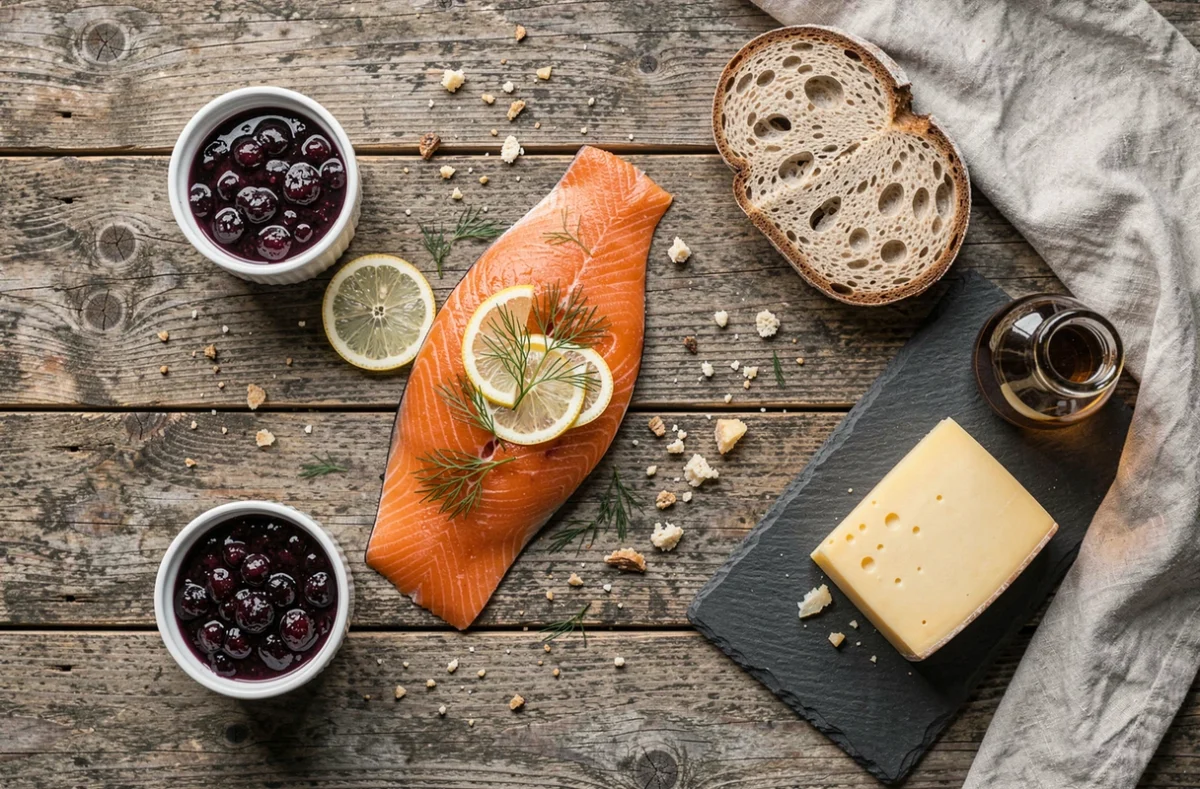
- Salmon smoked using Indigenous Pacific techniques is slowly smoked over cedar wood, unlike industrially smoked salmon.
- Wild berries (Saskatoon berries, serviceberries) replace cultivated fruit in several Prairie desserts.
- Game (moose, deer) remains central to Indigenous recipes in boreal regions, where cattle farming is impractical.
Canadian cuisine can be read as a layering of historical and geographic influences. Every dish, from Newfoundland Jiggs’ dinner to Quebec poutine, reflects climate constraints, waves of migration, and relationships with the land. Understanding these dishes means reading the food history of a country that has never had a single national table.