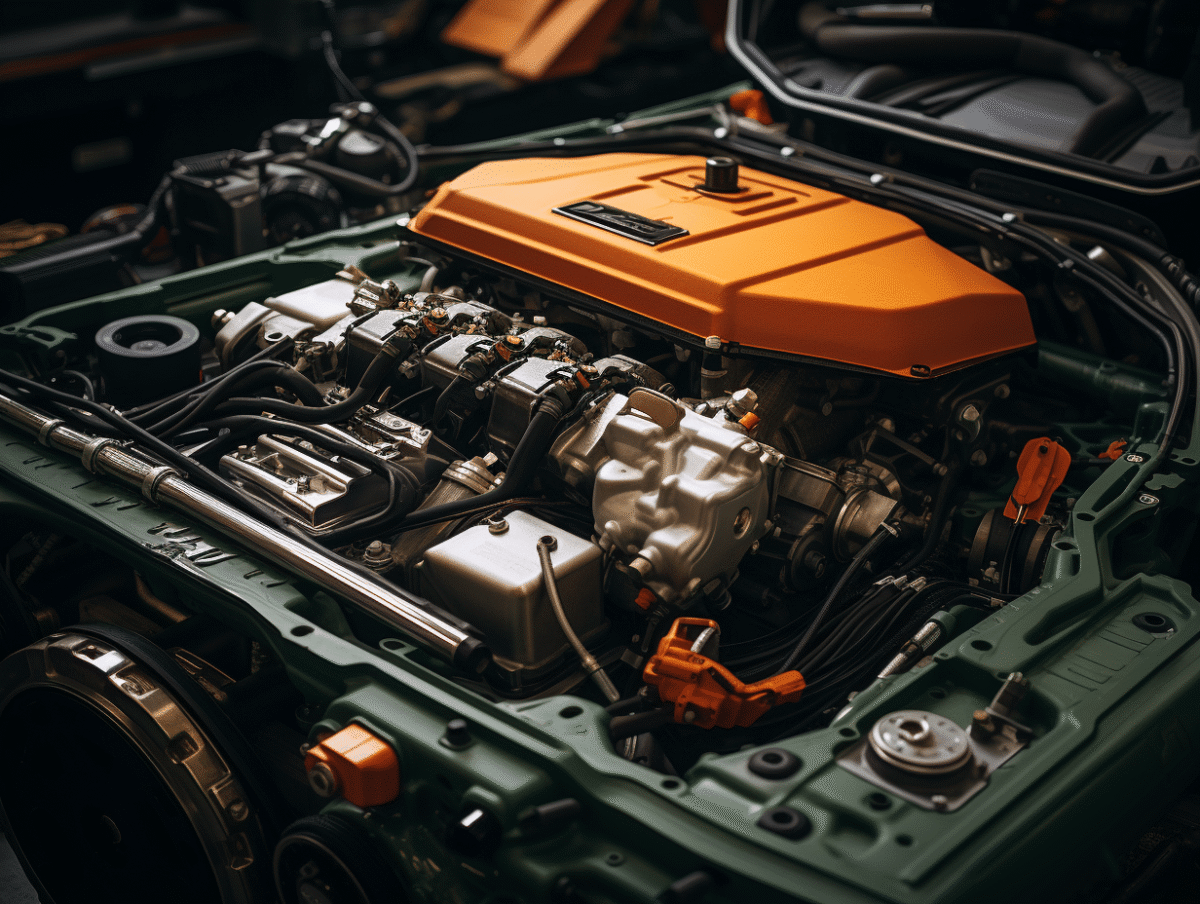
The timing belt is a key component in a vehicle’s engine, ensuring precise synchronization between the various moving parts. Over time, this part can wear out or degrade, threatening the performance and safety of the car. Signs such as a knocking noise under the hood or difficulties starting can alert the driver to an imminent problem. Ignoring these warnings can lead to costly repairs or even a complete engine replacement. It is therefore essential for vehicle owners to recognize the symptoms of a worn timing belt and to know when and how to proceed with its replacement to maintain the efficiency and longevity of their automobile.
Signs and diagnostics of timing belt wear
The timing belt is an essential component of the engine that requires ongoing attention. The symptoms of wear of this element should not be taken lightly. Unusual noises, such as squeaking or whistling, can be the first warning signs. Other manifestations include a loss of engine power, excessive vibrations, or difficulty starting. These symptoms can indicate the condition of the timing belt and should not be ignored.
For a precise diagnosis, a visual inspection is often revealing. A worn belt may show cracks, delamination, or missing teeth. How to determine the age of your timing belt often depends on the vehicle’s maintenance history. Manufacturer recommendations provide a replacement interval, but regular inspection is a practice to encourage to prevent failures.
The causes of timing belt failure are numerous: exposure to extreme temperatures, oil or coolant contaminating the surface, or simply natural wear. A failure can lead to irreparable damage to the engine, hence the importance of replacing the belt before it reaches this critical stage.
The signs of a misaligned or improperly installed belt are also to be monitored. Improper installation can lead to a timing misalignment, compromising the synchronization between the camshaft, fuel pump, and crankshaft. Such an anomaly often results in a loss of performance and increased fuel consumption. In the presence of these indicators, prompt intervention is advised to correct the issue and preserve the integrity of the engine.

Tips for an effective timing belt replacement
Replacing the timing belt is a delicate operation that requires rigor and precision. Carefully follow the replacement steps recommended by the manufacturer to ensure a successful intervention. The first step is to acquire a timing kit suitable for your vehicle model, which generally includes the belt as well as the tensioner and idler pulleys. Some kits also offer the replacement of the water pump, often driven by the belt, which is recommended to limit the risk of future failure.
The operation requires specific tools and technical know-how; therefore, unless you have proven experience in automotive mechanics, entrust this task to a professional. The timing belt replacement is a complex intervention: it involves disassembling several engine components to access the belt, then precisely aligning the camshaft, fuel pump, and crankshaft. A timing error can have serious consequences for the engine.
As for the cost of replacement, the price of the timing belt varies depending on vehicle models and the complexity of the labor. Price should not be the only selection criterion; the quality of the parts and the expertise of the mechanic are determining factors for the durability of the repair. Also, plan for a margin of time without your vehicle, as professionals often require a full day to carry out the replacement with the necessary precision.