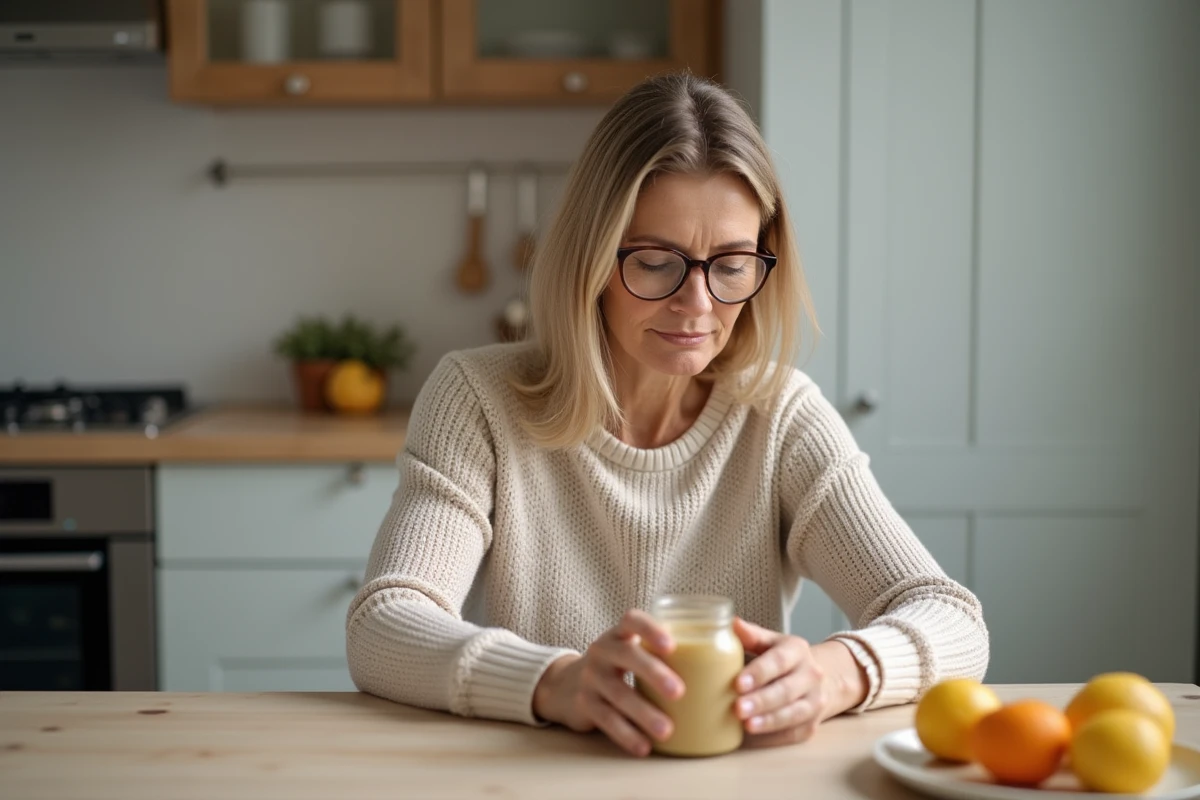
A simple glance at a clear broth can be misleading. Behind this innocuous appearance, the slightest error in composition can ruin the digestive preparation required before a colonoscopy. A poorly chosen ingredient, a neglected label, and the entire procedure is compromised.
Do not rely on the clarity or lightness of a broth to judge its compatibility with the digestive preparation. The medical protocol requires meticulous selection: each component must be scrutinized, the slightest particle banned, no residue tolerated.
Why dietary preparation influences the success of a colonoscopy
The colonoscopy is one of the major examinations for colorectal cancer screening and monitoring of colon conditions. However, the quality of this examination depends on impeccable intestinal preparation. An insufficiently cleaned colon can hide polyps or abnormalities, sometimes forcing a postponement of the procedure. Hence, the establishment of a low-residue diet three days before the appointment, supervised by the doctor or gastroenterologist.
This diet aims to eliminate the presence of dietary fibers and residues that are difficult to remove from the digestive tract. Goodbye vegetables, raw fruits, whole grains: the diet becomes minimalist to ensure the complete evacuation of the colon, in addition to the prescribed laxatives. The more rigorous the preparation, the clearer the visibility of the intestinal mucosa, and the more reliable the diagnosis will be.
If you are wondering which broth to choose before a colonoscopy, know that the transparency of the liquid is not enough. You must track down any trace of particles, fats, or colorants. The specialist’s advice is authoritative, but adherence to the low-residue diet and proper hydration are the true guarantees of a successful examination. This discipline increases accuracy, reduces the risk of erroneous results, and optimizes the detection of lesions or potential cancerous cells in the colon.
Which broths to favor before the exam: essential criteria and mistakes to avoid
The clear broth is the reference for colonoscopy preparation. Its recipe: water, lean meat (chicken, turkey), possibly a bone, a pinch of salt, and nothing else. Forget vegetables, starches, or aromatic herbs: clarity allows for no compromise. The goal is simple: only clear liquids pass the digestive barrier to facilitate the doctor’s task.
Here are some foods to prioritize in this diet that can accompany the preparation:
- Light tea, still or sparkling water
- Herbal teas without particles
- Clear jellies
- Pulp-free juices
The broth must be carefully filtered, with no solid traces or fat deposits. Cooking should be long and gentle, followed by meticulous filtering. A visual check is necessary: any sign of opacity is to be avoided.
On the other hand, avoid any preparation containing non-recommended foods: vegetables, starches, spices, fatty meats, colored or enriched industrial broths. Juices with pulp and carbonated drinks are also to be banned. Pay close attention to labels: an unwelcome additive or colorant can be enough to compromise the colonoscopy preparation.
The examination depends on this rigor. A poorly filtered broth, too fatty or containing fibers, makes the colon less visible and may necessitate a rescheduling. Follow the instructions to the letter: the simplicity of a clear and unembellished broth remains the most relevant choice to prepare the intestine for this crucial examination.

Examples of menus and practical tips for a successful low-residue diet
To ensure compliance with the protocol in the three days leading up to the colonoscopy, each meal should be built around low-fiber and easily digestible foods. The clear broth is the centerpiece, followed by lightly toasted white bread, white rice, or white pasta. Lean meats (chicken, turkey, lean ham) should be steamed or baked, without fat or spices. At noon, a portion of poached or grilled white fish completes the plate.
For small hunger pangs, opt for some dry biscuits or a sugar-free applesauce, prepared without skin or seeds. Plain dairy products, like yogurt or low-fat fresh cheese, are acceptable as long as they contain no fruits or fibers. Hydration remains a guiding principle: water, light tea, or clear herbal tea, with any cloudy liquid or containing pulp to be avoided.
Here are some tips to facilitate the low-residue diet:
- Plan ahead by preparing a large quantity of filtered broth, to freeze in portions
- Vary the accompaniments: fine semolina, peeled steamed potatoes, or very smooth mashed potatoes
- Avoid any last-minute improvisation, especially the day before the exam
Adhering to the meal plan directly influences the quality of colonic cleansing and, consequently, the reliability of colorectal cancer screening.
On the day of the exam, stick to the strict fasting dictated by the gastroenterologist: only the allowed clear liquids are permitted until the scheduled time. After the examination, gradually resume a light diet, always prioritizing hydration and ease of digestion.
A clear broth, careful preparation, and the colonoscopy becomes a controlled step, serving your health. One mastered detail, and an entire diagnosis gains clarity.